
Precision Mental Health Access: Building Better Care Pathways for Communities Too Often Left Behind
Mental Health Care Cannot Begin Only at the Point of Crisis
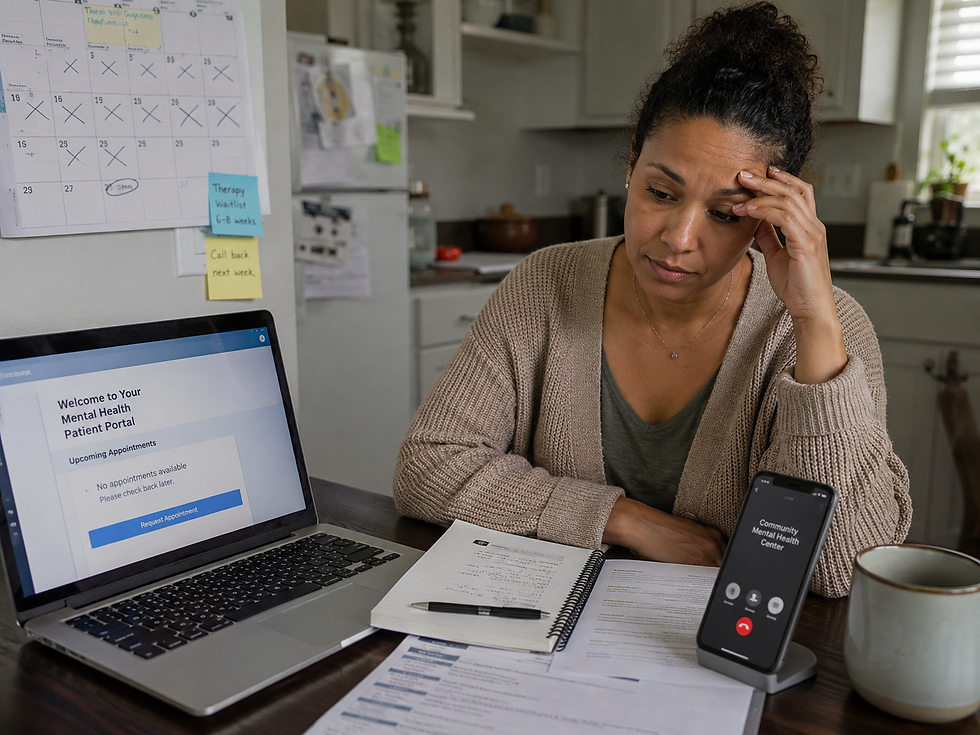
Too often, mental health care begins after a person has reached the edge of what they can manage alone. A patient may finally seek help after weeks of poor sleep, worsening anxiety, missed work, chronic pain, escalating substance-use risk, declining medication adherence, or a health concern that has become impossible to ignore. A family may recognize that something is wrong only after relationships become strained or a loved one withdraws from daily life. A provider may only see the signs after the patient has missed multiple appointments or presented in an emergency setting.
This pattern is not inevitable. It is the result of a healthcare system that too often separates behavioral health from the rest of a person’s life. Mental health is treated as a referral rather than an integrated part of care. Data is scattered across providers. Community organizations may know that a family is struggling, while the healthcare system has no way to connect that concern to a meaningful care pathway. Patients may know they need support but face long wait times, transportation challenges, uncertainty about cost, or fear of being judged.
The future of mental health care must be more connected, more responsive, and more practical. Precision medicine can play an important role in that future when it is used responsibly. The goal is not to reduce people to risk scores or to allow technology to replace clinical judgment. The goal is to help trusted clinicians, care navigators, families, and community organizations see the full picture sooner and respond with support that fits the person’s real life.
Mental health care should not depend on whether someone can travel to a specialty clinic, navigate a complex referral process, take time away from work, or overcome years of stigma before asking for help. It should be available through pathways that are accessible, culturally responsive, and connected to the communities where people live.
Precision Mental Health Access Connects Insight to Action
Precision Mental Health Access is not simply a technology model. It is a whole-person care model that brings together behavioral health, clinical information, social conditions, community context, and practical access pathways. It recognizes that mental health conditions do not exist in isolation from sleep, pain, chronic disease, employment, family stability, housing, transportation, or the ability to trust a healthcare system.
Trauma, financial stress, caregiving responsibilities, social isolation, chronic illness, medication burden, environmental pressure, or a lack of nearby support may influence a patient’s mental health. These factors are often visible in pieces. A primary care clinician may see changes in blood pressure, pain, or medication adherence. A behavioral health provider may hear about anxiety or depression. A community organization may recognize transportation barriers, food insecurity, or family strain. An employer may observe absenteeism or declining performance. None of these signals alone tells the whole story.
Precision Mental Health Access creates an opportunity to connect these signals responsibly. It helps care teams understand patterns over time, identify when a person may need additional support, and design more personalized care pathways. The most important word in that sentence is “support.” Data should help create more compassionate, timely, and useful care, not more surveillance or more barriers.
This approach also recognizes that access is not the same as availability. A behavioral health service may technically exist in a community, but remain inaccessible because appointments are limited, providers do not reflect the community, transportation is unreliable, care is unaffordable, or patients do not know where to begin. Precision access models focus on the journey from need to connection, not simply the presence of a service on a directory.
Why Communities Too Often Left Behind Need Better Pathways
Many communities face barriers that are layered, persistent, and difficult to overcome through traditional mental health models alone. Rural residents may live hours from specialty care. Veterans may need support for PTSD, chronic pain, sleep disruption, substance-use concerns, and family stress across multiple systems. Women may experience behavioral health needs alongside maternal health, menopause, chronic disease, caregiving burden, or workplace pressure. People with disabilities may face inaccessible facilities, digital barriers, or fragmented coordination among healthcare, social services, education, and employment systems.
Communities of color may encounter additional barriers related to stigma, historical mistrust, underrepresentation among providers, limited culturally responsive care, insurance gaps, language barriers, and previous experiences of being dismissed or misunderstood. These barriers do not mean that people are less interested in care. They mean that the system has not always been designed to make care practical, safe, or trustworthy.
The result is often delayed support. People may wait until symptoms become severe. They may rely on family, faith communities, informal networks, or self-management strategies because formal care feels out of reach. Those supports can be deeply valuable, but they should not be the only option available when someone needs clinical care, treatment coordination, or long-term follow-up.
Precision Mental Health Access can help close this gap by creating a bridge between community trust and clinical support. It can help organizations identify where needs are concentrated, where patients are falling through the cracks, and where care pathways need strengthening. It can also help ensure that outreach is based on local reality rather than assumptions.
Behavioral Health Signals Often Appear Before a Crisis
Mental health concerns may become visible long before a formal diagnosis is made. A person may begin sleeping poorly, miss routine appointments, withdraw from family or work, struggle with chronic pain, stop refilling medications, experience increasing stress, or make more frequent use of urgent care or emergency services. These signals may not indicate a specific condition on their own, but they can suggest that a person’s health and stability are changing.
For clinicians, the challenge is that these signals are often scattered across multiple systems. A primary care provider may not know that a patient has stopped attending counseling. A therapist may not know that the patient’s diabetes management has deteriorated. A community health worker may understand that the patient is caring for an aging parent, struggling with housing, or unable to reach appointments. An employer may see attendance changes but have no appropriate connection to support.
A more connected model allows those patterns to be recognized earlier. Longitudinal information can help care teams see trends instead of isolated events. Patient-reported concerns can add context that laboratory values and diagnosis codes may miss. Community-based partners can help identify practical barriers that make care plans difficult to follow.
This does not mean every person should be monitored in the same way or that every change should trigger a clinical intervention. It means care teams should be able to recognize when additional outreach, a check-in, a referral, or a more complete conversation may be needed. Earlier support can help prevent a manageable concern from becoming a life-disrupting crisis.
Data Must Strengthen Trust, Not Replace It
The use of data in behavioral health requires humility, safeguards, and a clear understanding of what technology can and cannot do. Algorithms do not diagnose PTSD, depression, anxiety, or trauma. Data cannot replace a clinician’s judgment, a patient’s voice, or the trust that develops through a meaningful care relationship.
Phronetik’s approach to precision behavioral health is rooted in the belief that data should strengthen human connection. It should help providers ask better questions, understand a patient’s context, recognize changing needs, and coordinate care more effectively. It should not become a black box that produces conclusions without transparency, accountability, or patient involvement.
Responsible use of behavioral health data requires strong privacy protections, informed consent, clear governance, and attention to bias. Communities must understand how information is collected, how it will be used, who can access it, and how it can benefit them. Patients should never feel that sharing information creates risk without meaningful value in return.
This is especially important for communities that have experienced discrimination, underinvestment, or harmful interactions with institutions. Trust cannot be assumed. It must be earned through transparency, cultural responsiveness, local partnership, and a demonstrated commitment to improving care.
PM at the Edge: Bringing Behavioral Health Support Closer to Home
Phronetik’s PM at the Edge model is particularly relevant to mental health access because behavioral health support is often difficult to reach. A person may have to travel across a county, wait months for an appointment, navigate an unfamiliar referral system, or choose between a therapy session and a work shift. In urban areas, a clinic may be geographically nearby yet practically inaccessible due to transit limitations, caregiving demands, cost, or rigid scheduling.
PM at the Edge is designed to bring precision health capabilities closer to the places where people live, work, and seek support. This may include community-based access points, telehealth-enabled care, local navigation, mobile services, remote consultation, trusted partnerships, and data infrastructure that connects local providers with broader care networks.
For behavioral health, this approach can help create more flexible pathways. A patient might begin with a trusted primary care provider, a community health worker, a faith-based partner, a veterans organization, a school-based resource, or a local community center. The key is that the pathway should not end there. It should connect people to appropriate clinical care, peer support, social services, crisis resources, or long-term follow-up when needed. The purpose is not to centralize every service. The purpose is to build a coordinated ecosystem where people do not have to navigate every step alone.
Population Health Analytics Can Reveal Where Support Is Needed Most
Organizations often know they have unmet behavioral health needs but lack a clear picture of where those needs are concentrated or what barriers prevent access. Population health analytics can help providers, public agencies, employers, payors, and community organizations identify patterns across a community while protecting individual privacy.
For example, a health system may identify high rates of missed behavioral health follow-up in a particular service area. A public agency may see rising emergency utilization related to anxiety, substance use, or crisis care. An employer may recognize that certain workforce populations face significant stress but are not using available benefits. A community organization may know that local residents are struggling with transportation, housing, or childcare barriers that make it difficult to attend regular appointments.
These insights can guide more targeted action. Organizations can improve outreach, strengthen navigator programs, expand telehealth access, deploy mobile services, support community-based education, enhance referral coordination, or create partnerships that make care easier to access.
The most effective solutions will be local. A rural community may need a tele-behavioral health network supported by local clinics and trusted community organizations. An urban neighborhood may need evening access, public-transit support, and culturally responsive navigators. A veterans population may need integrated trauma-informed care that connects behavioral health with chronic disease management and family support. Precision analytics can help identify the right questions. Community partnership is what helps create the right answers.
Care Navigation Turns Insight Into Actual Support
A referral alone is not a care pathway. Patients may receive a list of behavioral health providers but still be unable to find one accepting new patients, navigate insurance requirements, arrange transportation, take time off work, or overcome anxiety about making the first call. A precision-health model must account for these realities.
Care navigation is the practical bridge between insight and action. Navigators, community health workers, peer-support specialists, social workers, and trusted local partners can help patients understand their options, schedule appointments, complete follow-up, access transportation, connect to benefits, and stay engaged over time. Their role is especially important when patients are managing complex conditions or facing multiple barriers at once.
Phronetik’s vision is to support navigation with better information and more coordinated workflows. Data can help identify who may need outreach. Care coordination tools can help ensure referrals do not disappear into disconnected systems. Community partners can help create trust and continuity. The result is a model that feels less like being handed a phone number and more like being guided through a path toward support. This is where precision health becomes human. It is not only about identifying risk. It is about helping people move from uncertainty to connection.
Phronetik & The Collaborative Future of Mental Health Access

No single provider, technology platform, or public program can solve the mental health access challenge alone. The future requires collaboration among primary care providers, behavioral health professionals, public health agencies, employers, schools, veterans organizations, community health centers, researchers, payors, faith-based institutions, patient advocates, and local leaders.
Each partner sees a different part of the community’s reality. Primary care teams may identify clinical symptoms. Behavioral health professionals provide treatment. Community organizations understand local barriers and trusted communication channels. Employers can support workforce well-being. Researchers can evaluate what works. Public agencies can connect policy, funding, and population-level planning.
Phronetik is positioned to help these partners work together through precision-health infrastructure that connects behavioral health insight, clinical information, population analytics, navigation workflows, and community engagement. The objective is not to create another disconnected program. It is to make existing resources more visible, coordinated, and accessible. Precision Mental Health Access is ultimately about designing a system that meets people before they fall through the cracks.
A More Resilient Future Begins With Better Access
Mental health is not separate from community resilience. It affects family stability, workforce participation, chronic disease management, educational opportunity, economic mobility, and the ability of people to recover from stress, trauma, and life disruption. Communities cannot build lasting health if behavioral health support remains difficult to reach.
The opportunity before us is significant. Advances in data integration, telehealth, remote monitoring, care coordination, population analytics, and precision medicine can help make mental health support more proactive and more personalized. Yet these tools must be deployed with care. They must be accessible, trustworthy, culturally responsive, and connected to real services.
Phronetik believes the future of behavioral health is not a distant specialty system that patients must somehow reach on their own. It is a connected precision-health ecosystem that brings insights, support, and care pathways closer to where people live.
That is the promise of Precision Mental Health Access: not simply more data, but better connection. Not simply more technology, but more timely support. Not simply awareness, but a more practical path to healing.
Call to Action
Phronetik welcomes collaboration with healthcare providers, behavioral health organizations, community health centers, public agencies, veterans organizations, employers, research institutions, and trusted local partners seeking to improve access to mental health care. Together, we can build care pathways that identify needs earlier, reduce barriers, strengthen trust, and help more people receive meaningful support before crisis becomes the first point of care.


Comments