
Precision Recovery Support: Using Data, Trust, and Community Pathways to Strengthen Behavioral Health

Recovery Requires More Than Crisis Response
National Recovery Month creates an important opportunity to recognize the strength of individuals, families, providers, peer supporters, community organizations, and systems that make recovery possible. It also creates an opportunity to ask a more difficult question: why do so many people still reach out for care too late, after suffering has intensified, relationships have been strained, health has deteriorated, employment has been disrupted, or a crisis has already occurred?
Recovery is often discussed after a turning point, but the conditions that shape recovery begin much earlier. A person may experience untreated depression, anxiety, trauma, chronic pain, substance-use risk, isolation, housing instability, unemployment, grief, stigma, or repeated contact with systems that do not coordinate well with one another. When these signals remain disconnected, the person may move closer to crisis before any one organization fully understands the risk.
A stronger recovery model must recognize that people do not experience behavioral health, substance use, physical health, family stress, and social conditions as separate categories. They experience them as one life. A person may need counseling, medication support, peer recovery, primary care, housing assistance, job support, transportation, family education, crisis planning, and a trusted person to help them navigate the system. Recovery support becomes more effective when those elements are connected.
Precision Recovery Support is a framework for building that connection. It helps communities move from fragmented intervention to coordinated support, from stigma to trust, and from crisis-only response to earlier recognition and sustained care.
Precision Recovery Support Connects Trust, Data, and Long-Term Healing
Precision Recovery Support is a model for using data, relationships, community pathways, and care navigation to strengthen behavioral health and recovery across the full continuum of need. It does not reduce a person to a diagnosis, a risk score, a claims record, or a crisis event. It recognizes that recovery is deeply personal and that support must be organized around the whole person.
A precision approach asks practical questions. Who is being missed before crisis occurs? Which communities have limited treatment access? Where are people cycling between emergency care, detoxification, primary care, behavioral health programs, shelters, justice systems, or community services without sustained connection? Which patients need peer support, medication-assisted treatment, therapy, recovery housing, family support, or crisis planning? Which barriers are preventing people from moving from need to care?
These questions matter because recovery pathways differ. Some people need clinical treatment. Some need peer recovery support. Some need safe housing. Some need help rebuilding employment or family relationships. Some need trauma-informed care. Some need culturally responsive support. Some need crisis stabilization. Some need long-term monitoring after an acute episode. Many need several of these supports at the same time.
Precision Recovery Support brings these elements into a more coordinated model. It supports earlier identification, more respectful engagement, better navigation, and ongoing connection so that people are not forced to rebuild their recovery journey from the beginning every time they encounter a new system.
Behavioral Health Signals Often Appear Before Crisis
Many behavioral health and recovery needs emerge gradually. A person may stop attending appointments, miss work, withdraw from family, sleep poorly, increase substance use, visit emergency departments more frequently, stop taking medication, experience worsening chronic disease, or lose connection to supportive routines. These signals may appear in different places and may not be recognized as part of one larger pattern.
The challenge is that healthcare and community systems often see only fragments. A primary care provider may notice worsening diabetes control. An employer may notice absenteeism. A family member may notice isolation. A school or college may notice disengagement. An emergency department may treat an acute episode. A community organization may see food insecurity or housing instability. Each signal matters, but the pattern may remain invisible if systems are disconnected.
A precision-health model can help partners recognize risk earlier without labeling or stigmatizing people. Responsible data integration can help identify when someone may need outreach, follow-up, or navigation. Patient-reported information, clinical history, claims patterns, missed appointments, crisis contacts, social needs, and community referral data may all provide insight when handled with consent, privacy, and appropriate governance. Earlier recognition is not about surveillance. It is about support. People should not have to reach their lowest point before systems recognize they need help.
Trust Is the Foundation of Recovery
Recovery depends on trust because people often seek help during vulnerable moments. They may fear judgment, disclosure, legal consequences, employment consequences, family reaction, loss of custody, stigma, discrimination, or being treated as a problem rather than a person. A recovery pathway that does not begin with dignity will not sustain engagement.
Trust is especially important for communities that have experienced underinvestment, over-policing, medical dismissal, discrimination, or fragmented behavioral health systems. A person treated poorly in the past may not believe a new program will be different. A family may hesitate to seek help if prior encounters created shame or confusion. A community may resist outside intervention if it feels disconnected from local reality.
Precision Recovery Support must therefore be grounded in trusted relationships. Community health workers, peer specialists, recovery coaches, faith leaders, family advocates, primary care providers, behavioral health professionals, Tribal leaders, veteran-serving organizations, and local nonprofits can all help create bridges into care. These trusted partners often understand where people get stuck and what kind of engagement will feel safe enough to accept. Technology can support trust, but it cannot replace it. Data may identify a need, but people help turn that insight into a meaningful invitation for care.
Recovery Is a Whole-Person Health Issue
Recovery is often discussed in behavioral health terms, but its impact reaches across the whole person. Substance-use disorders, depression, anxiety, trauma, suicidal ideation, chronic pain, sleep disruption, medication adherence, infectious disease risk, nutrition, housing, employment, family stability, and chronic disease management may all be connected. A person in recovery may need support across several of these domains at once.
This matters because fragmented care can weaken recovery. A person receiving substance-use treatment may also need primary care for hypertension, hepatitis, diabetes, or chronic pain. A person receiving therapy may need medication review, housing support, or help addressing transportation. A person leaving inpatient or residential care may need rapid follow-up, peer support, employment assistance, and a realistic plan for triggers and relapse risk.
Whole-person care does not mean that every service must be delivered by a single organization. It means the pathway should be coordinated enough that people do not have to repeatedly explain their story, chase disconnected referrals, or navigate conflicting requirements on their own. Recovery support should reduce burden, not add administrative complexity. Precision Recovery Support helps connect behavioral, clinical, social, and community data into a more coherent picture. The goal is to help care teams and community partners support the person’s real life, not just one part of the chart.
Suicide Prevention and Recovery Belong in the Same Conversation
September’s focus on both recovery and suicide prevention is important because the two conversations are often connected. People experiencing substance-use challenges, untreated behavioral health needs, trauma, grief, isolation, chronic pain, financial stress, or crisis may also experience suicidal thoughts or heightened risk. Prevention requires systems that can respond before situations become acute.
Suicide prevention cannot be reduced to a hotline number, although crisis resources are essential. Prevention also requires earlier recognition, follow-up after emergency visits, care transitions, family support, safe communication, access to treatment, reduced stigma, and community relationships that help people stay connected when they feel most alone.
Precision Recovery Support can help communities identify weak points in crisis-prevention pathways. Are people receiving follow-up after a crisis encounter? Are emergency departments connected to outpatient behavioral health? Is peer support available? Are families receiving guidance? Are high-risk transitions being monitored? Can rural or transportation-limited individuals access timely services? Are trusted community partners included? Recovery and suicide prevention both require continuity. A person should not be left without support after a single appointment, discharge, or referral.
Care Navigation Turns Services Into Pathways
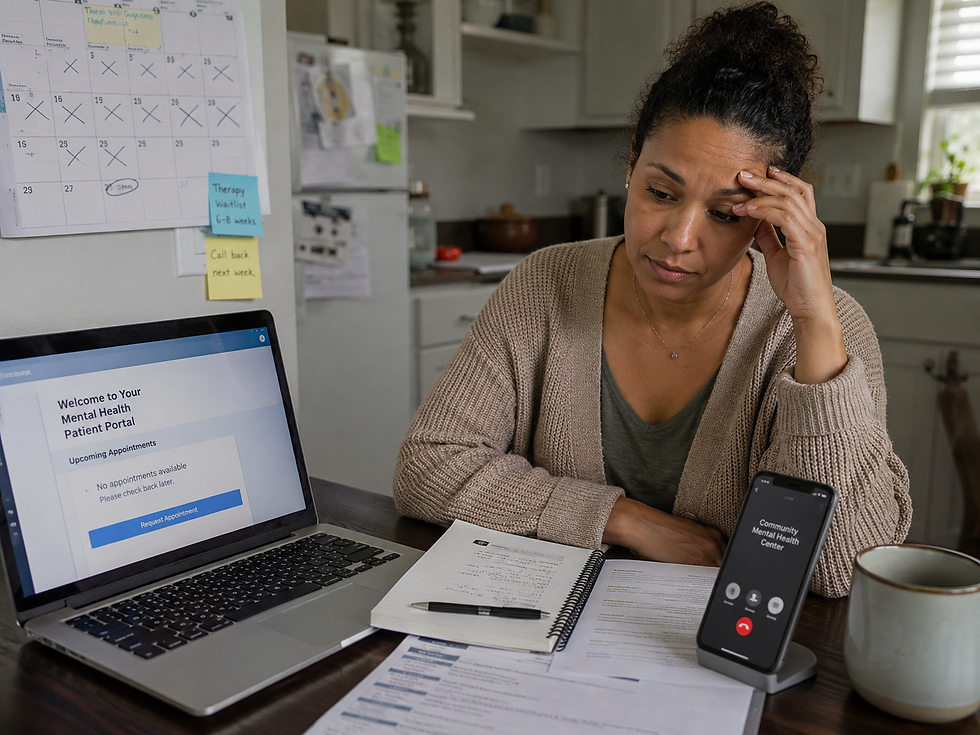
Many communities have treatment and recovery resources, but people may not know how to reach them. They may not understand eligibility, cost, insurance requirements, waitlists, referral rules, transportation options, program differences, or whether a service is safe and affirming. In this environment, a resource list is not a recovery pathway.
Care navigation is essential because recovery often requires movement across multiple systems. A person may need assessment, outpatient treatment, medication support, peer recovery, recovery housing, family support, job assistance, food resources, crisis planning, and primary care. Each step creates an opportunity for the person to disengage if the process is confusing or unsupported.
A stronger model treats navigation as part of care. Navigators, peers, case managers, community health workers, and digital engagement tools can help people understand options, complete referrals, attend appointments, and remain connected. The strongest navigation models are relational, not merely transactional. They build trust over time. Precision Recovery Support combines data and human connection. Data can help identify who may need support. Navigation helps make support reachable.
Peer Support Helps Make Recovery Believable
Recovery becomes more tangible when people see others who have walked a similar path. Peer support can reduce shame, increase hope, strengthen engagement, and provide practical guidance that formal systems may not always offer. A peer can explain what recovery looks like in real life, what obstacles may appear, and why continued support matters even after the immediate crisis has passed.
Peer support also changes the emotional tone of the care pathway. Instead of being approached only as a patient, case, or risk category, a person can be met as someone with capacity, dignity, and a future. That distinction matters. Recovery is not only about reducing symptoms or avoiding relapses. It is also about rebuilding identity, connection, confidence, and a sense of purpose.
A precision recovery model should make room for peer experience as practical knowledge. Data can identify trends, but peers often understand the lived reality behind those trends. They know where systems create friction, where language creates shame, and where support needs to become more human. Peer support is not a substitute for clinical treatment when treatment is needed. It is a powerful complement that can help people stay connected to recovery long enough for healing to take root.
Digital Tools Can Help or Harm Recovery Engagement
Digital tools have become part of behavioral health and recovery support. Patient portals, telehealth, appointment reminders, text messages, apps, dashboards, online support groups, and referral platforms can help extend care beyond traditional settings. For people with transportation barriers, work constraints, rural distance, disability-related access needs, or privacy concerns, digital tools can be valuable.
Yet digital tools can also create barriers if they are poorly designed. A patient may lack reliable internet access, a private place for telehealth, digital literacy, language access, accessible interfaces, or trust in how their data will be used. A reminder system that feels impersonal may be ignored. A portal that is difficult to navigate may increase frustration. A digital referral may fail if no one follows up.
Precision Recovery Support requires digital tools that are designed around usefulness and trust. Technology should help people understand next steps, connect to resources, maintain continuity, and communicate with care teams. It should not make recovery feel more automated, more surveilled, or more isolated. The measure of a digital tool is not whether it collects information. The measure is whether it helps a person receive support more easily and safely.
Employers and Schools Can Be Part of Recovery Infrastructure
Recovery does not happen only in clinics. It happens in workplaces, schools, colleges, training programs, families, faith communities, neighborhoods, and daily routines. Employers and schools can play an important role in reducing stigma, identifying need, supporting prevention, and connecting people to resources.
Workplaces can support recovery through confidential benefits navigation, employee assistance programs, flexible policies, mental health education, supervisor training, peer-friendly cultures, and return-to-work support. Schools and colleges can strengthen prevention efforts through access to counseling, peer programs, crisis protocols, family engagement, substance-use education, and early identification of students who may be struggling.
These institutions must protect privacy and avoid punitive responses that discourage help-seeking. A recovery-supportive workplace or school should not treat disclosure as a liability. It should create safe pathways for people to seek help before crisis escalates. Precision Recovery Support can help employers, schools, and community partners identify support gaps and connect people to appropriate care. Prevention becomes more powerful when daily-life settings are part of the solution.
Rural and Underserved Communities Need Recovery Access Close to Home
Recovery support can be difficult to access when services are concentrated far from where people live. Rural communities may face provider shortages, long travel distances, limited broadband, transportation challenges, privacy concerns in small communities, and fewer specialized programs. Underserved urban communities may face long public transportation routes, safety concerns, waitlists, insurance barriers, and fragmented service networks.
These barriers can turn recovery into a logistical challenge. A person may want help but be unable to keep up with frequent appointments. A family may want support but do not know where to go. A patient may complete treatment and then return to a community with limited follow-up services. Access gaps can undermine motivation and continuity.
Precision Recovery Support must therefore extend care pathways closer to home. Mobile services, telehealth-enabled support, community health workers, peer specialists, local navigators, primary care integration, faith and community partnerships, and data-enabled outreach can help reduce barriers.
PM at the Edge is especially relevant here. Recovery support should not be available only to people who live near major health systems or have the time, transportation, and resources to navigate complex systems. Communities need prevention, treatment, and recovery infrastructure where people actually live.
Data Must Build Accountability Without Stigma
Behavioral health and recovery data must be handled with care. Information about substance use, mental health, crisis contact, treatment participation, and social needs is sensitive. If data is used poorly, it can increase stigma, expose people to harm, or reinforce distrust. If used responsibly, it can help identify gaps, improve continuity, and strengthen accountability.
Responsible data use begins with clear purpose. Data should help people receive better support, not punish them. It should help organizations understand where access is failing, not label communities as deficient. It should support outreach, navigation, and care improvement, not surveillance. It should be governed transparently, protected securely, and communicated in ways that people can understand.
Precision Recovery Support depends on this ethical foundation. Dashboards, analytics, predictive models, and reporting systems can be useful only when they are designed with dignity, privacy, consent, and community trust in mind. People should know that their information is being used to make care more responsive, not to judge them. Recovery requires hope. Data systems should support that hope, not undermine it.
How Phronetik Can Support Precision Recovery Support

Phronetik can support Precision Recovery Support by helping providers, payors, employers, schools, public health agencies, community organizations, Tribal entities, veteran-serving organizations, and research partners connect behavioral health data, recovery resources, care navigation, and community-based engagement into more practical pathways for support. This includes helping partners understand where service gaps exist, where follow-up is delayed, and where people may be cycling through fragmented systems without sustained connection.
Phronetik’s data integration and population-health analytics capabilities can help partners identify patterns across behavioral health, primary care, emergency utilization, missed appointments, social needs, treatment access, crisis support, and recovery engagement. These insights can support more targeted outreach, improved referral coordination, better follow-up after crisis encounters, and stronger alignment between clinical and community resources.
Phronetik can also help support trusted engagement models that connect insight to action. Recovery support cannot depend on data alone. Community health workers, peer specialists, navigators, clinicians, faith organizations, family advocates, and local partners all play essential roles in translating risk recognition into meaningful help. Phronetik’s role is to help strengthen the infrastructure that allows those partners to coordinate more effectively.
Through PM at the Edge, Phronetik can help extend recovery-support infrastructure into rural, Tribal, underserved urban, transportation-limited, and resource-constrained communities. This model can support community-based access, telehealth-enabled coordination, mobile outreach, digital engagement, local navigation, and whole-person data pathways that make recovery support more reachable and more sustainable.
From Recovery Awareness to Community Resilience
National Recovery Month and Suicide Prevention Awareness Month remind us that recovery is possible, prevention matters, and communities have a critical role in helping people heal. Yet awareness must become infrastructure if we want better outcomes. People need trusted entry points, timely support, coordinated services, peer connection, crisis planning, follow-up, and long-term pathways that recognize the whole person.
Precision Recovery Support offers a framework for that work. It connects data to dignity, care navigation to trust, crisis prevention to long-term recovery, and community engagement to measurable action. It recognizes that recovery is not a narrow behavioral health event. It is a community resilience strategy.
The future of recovery support should not ask people to navigate fragmented systems alone. It should help people find care sooner, remain connected longer, and receive support that reflects their health, relationships, environment, and goals. It should help families understand how to support loved ones without shame. It should help providers see patterns earlier. It should help community organizations become stronger bridges into care. Recovery is possible, but possibility must be supported. Precision Recovery Support helps communities build the systems, relationships, data infrastructure, and pathways needed to make that support real.
Call to Action
Phronetik welcomes collaboration with behavioral health providers, primary care organizations, public health agencies, payors, employers, schools, Tribal entities, veteran-serving organizations, recovery community organizations, faith and community partners, researchers, and innovation leaders seeking to strengthen recovery support. Together, we can build Precision Recovery Support pathways that connect data, trust, treatment access, crisis prevention, peer connection, and community-based care for individuals, families, and communities.
Join the conversation. Follow us on LinkedIn & Facebook and subscribe to our Newsletter for updates on how we are transforming healthcare for all. With Phronetik’s precision medicine expertise, this is not just possible; it is achievable now.
We ARE Precision Medicine


Comments